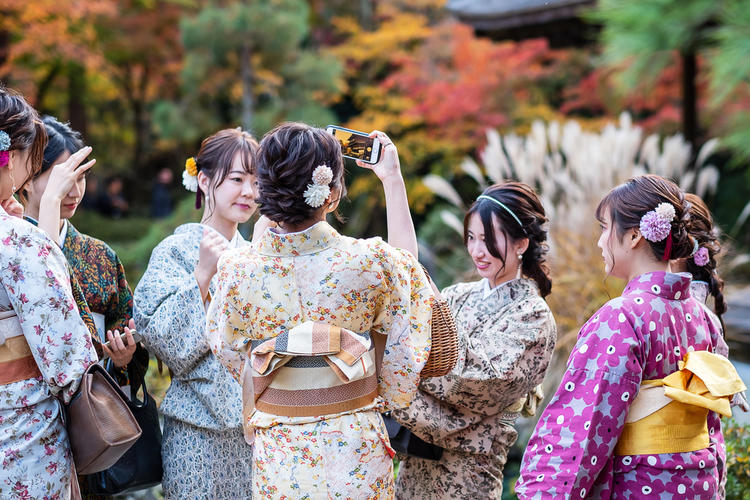
What Makes the Kimono So Special in Japan | Japanese Kimono Traditions
What Makes the Kimono So Special in Japan
Japan's cultural legacy stretches back thousands of years, and among its most recognizable symbols stands the kimono. The kimono tradition in Japan is a remarkable fusion of history, artistry, and elegance that continues to captivate audiences worldwide. With its striking patterns, rich colors, and luxurious fabrics, wearing a kimono is not simply dressing up — it is stepping into a centuries-old story.
In this in-depth guide, we explore the captivating world of Japanese kimo
nos — their cultural weight, storied past, and enduring relevance. We'll look at the various styles of kimonos, how they are properly worn, and practical ways to embrace these extraordinary garments in contemporary life. Let's begin this journey into the heart of kimono culture in Japan.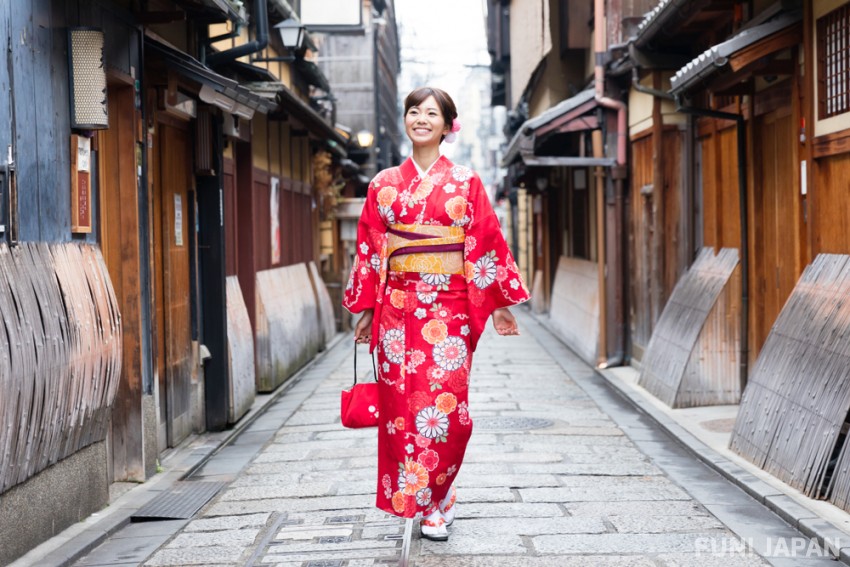
A Brief History of the Kimono
Kimonos have graced Japanese culture for more than a millennium, with roots tracing back to the Heian period (794–1185 CE). In those early centuries, they were reserved for the royal court and aristocracy as markers of rank and refinement. The word "kimono" translates simply to "thing to wear," yet that modest definition hardly captures what it truly represents — a dynamic art form that has been shaped and reshaped across generations.
Types of Kimonos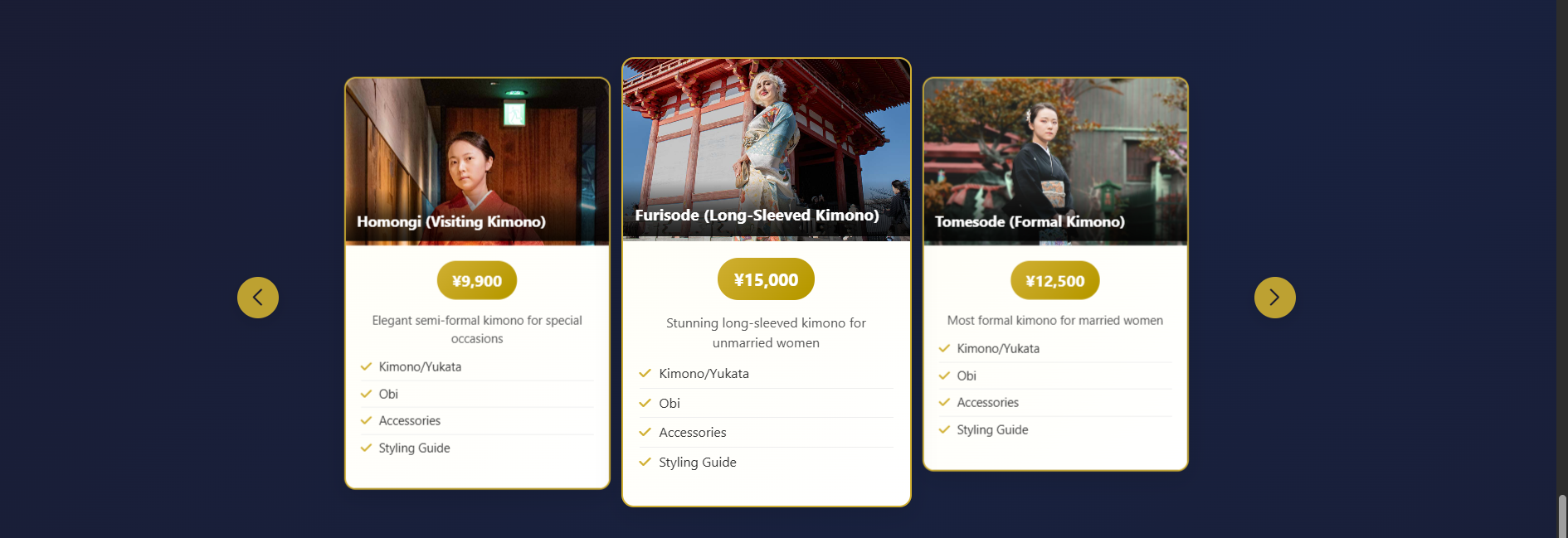
for kimono prices and details click here
nformal kimono typically crafted from cotton or synthetic materials, favored during warmer months and festivals.
- Montsuki: A formal men's kimono adorned with family crests, worn at ceremonial events.
- Houppelande: A kimono variation distinguished by its sweeping train and layered folds.
How to Wear a Kimono
Wearing a kimono is itself an art that demands care and practice. Here are a few key pointers to help you wear one with confidence:
- Find the right fit: Kimonos tend to run large, so trying on multiple sizes before settling on one is strongly advised.
- Secure it with an obi: The obi is a wide decorative sash tied around the midsection to hold the kimono in place and complete the look.
- Master the folds: Arranging the kimono with precise, neat folds is essential to achieving the graceful, flowing silhouette it is known for.
Kimono Culture in Everyday Japanese Life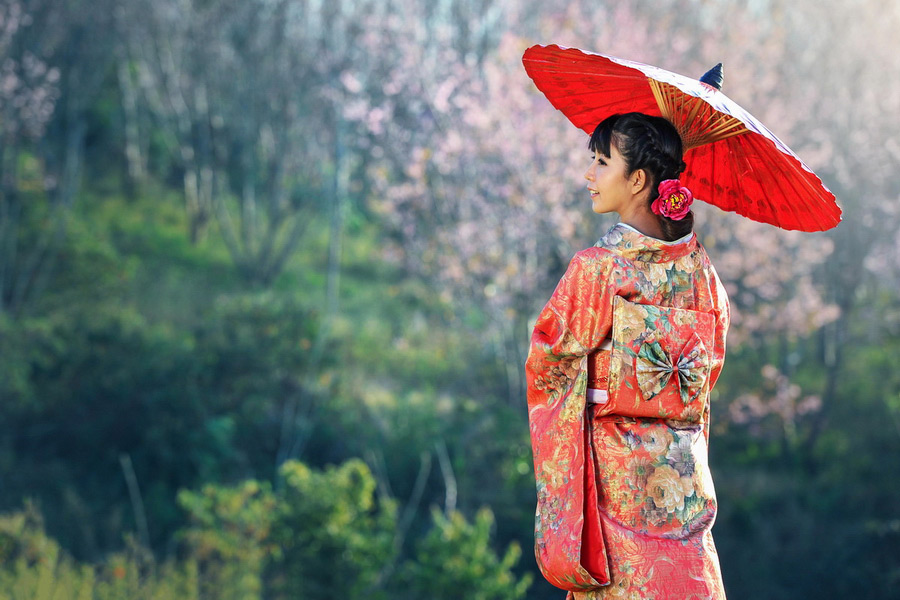
Kimonos remain woven into the fabric of Japanese daily life and social customs. Whether at a traditional wedding or a quiet tea ceremony, they hold a meaningful place across a wide range of occasions.
- Weddings: Brides and grooms frequently don kimonos as part of their wedding celebrations.
- Tea Ceremonies: The kimono is considered an indispensable element of this time-honored ritual.
- Festivals: Participants at events like the Obon festival proudly wear kimonos as a sign of cultural pride.
Kimonos in the Modern World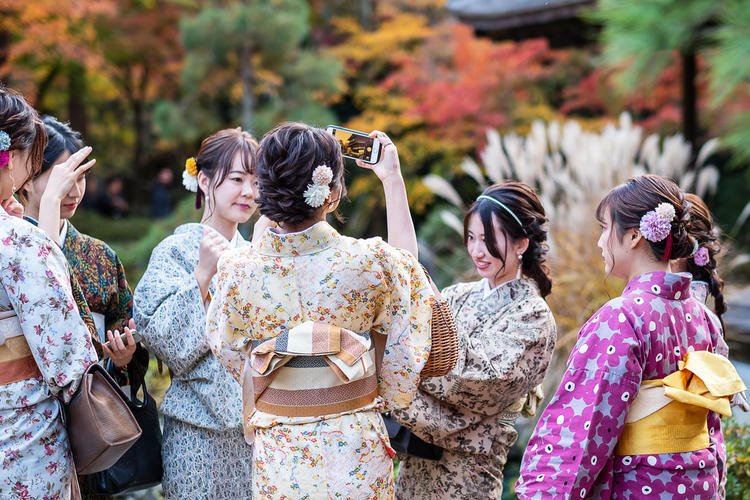
While kimonos carry an air of antiquity, they remain surprisingly relevant in modern contexts. Here are a couple of ways people incorporate them into contemporary living:
- Travel: Wearing a kimono while visiting Japan offers an immersive, hands-on way to engage with local culture.
- Fashion: Pairing kimono elements with everyday clothing has become a popular approach to creating distinctive, fashion-forward looks.
Key Facts and Figures
- More than 90% of Japanese women wear a kimono on at least one special occasion each year.
- A traditional kimono typically costs anywhere between $500 and $1,000.
- Kimonos are produced using more than 100 different varieties of fabric.
Conclusion: Honoring the Spirit of Kimono Culture in Japan
The kimono stands as one of Japan's most treasured cultural expressions. By appreciating its history, significance, and the traditions surrounding it, we come to see the kimono not just as a garment, but as a living piece of heritage. Whether you're exploring Japan as a visitor or weaving kimono elements into your own wardrobe, there is something genuinely moving about connecting with this iconic tradition.
As you deepen your understanding of kimonos, carry with you a respect for the culture and craftsmanship they embody. With an open mind and a willingness to learn, you'll discover that the world of kimonos is rich, nuanced, and endlessly rewarding.
Ready to Experience Kimono Culture for Yourself?
If the idea of experiencing kimono culture firsthand appeals to you, consider planning a trip to Japan or signing up for a kimono-wearing workshop. You'll walk away not only with a deeper appreciation for this iconic garment, but with memories that will last a lifetime.
Sources:
Ready to Stay With Us?
Experience the warmth of Goettingen Guest House in the heart of Kyoto.
Book Now