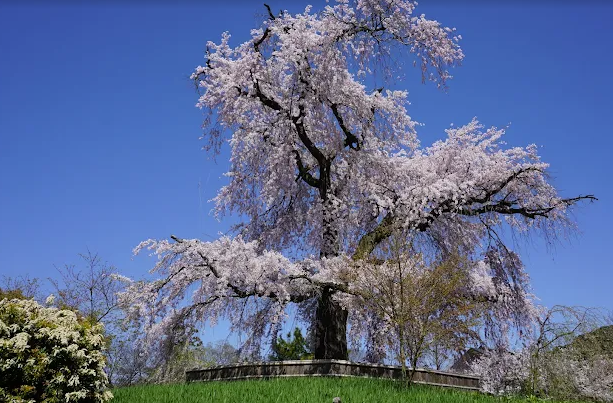
How to Plan the Perfect Autumn Kimono Photo Shoot: Timing, Weather & Location Tips for Japan
How to Plan the Perfect Autumn Kimono Photo Shoot in Japan
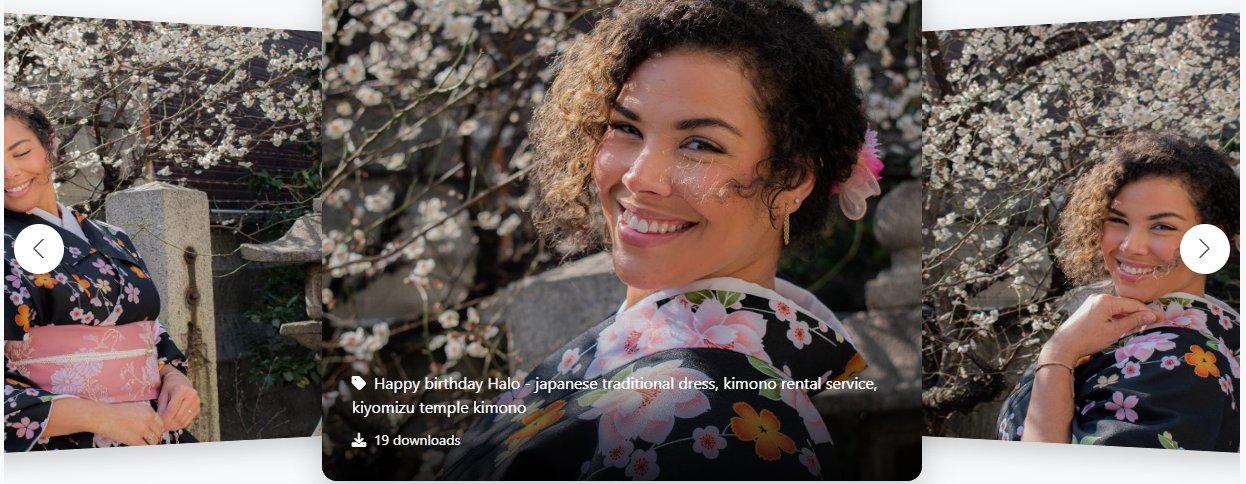
Pulling off a successful autumn kimono photo shoot in Japan takes more than just showing up in a beautiful garment. It requires careful thought about timing, venue, and logistics. Getting these elements right allows you to capture the full magic of the season alongside Japan's timeless traditional culture — and walk away with photographs you'll treasure forever.
When to Schedule Your Autumn Kimono Photo Shoot
Timing plays a critical role in autumn photography in Japan. Beyond simply catching the foliage at its peak, a number of other factors should guide when you schedule your shoot.
Best Times of Day to Shoot
Early Morning (6:00–8:00 AM)
The hours just after sunrise offer some of the most stunning photography conditions of the day:
- Gentle, diffused golden light that brings out the warmth in both kimono colors and autumn leaves
- Dramatically reduced tourist traffic at popular spots
- A calm, tranquil atmosphere ideal for thoughtful, serene compositions
- Comfortable cool temperatures (10–15°C) well-suited for kimono wear
- A sense of freshness and energy that reads beautifully on camera
Late Afternoon (3:30–5:00 PM)
The golden hour before sunset opens up some truly spectacular photographic possibilities:
- Warm amber tones that harmonize naturally with autumn foliage
- Dynamic backlighting for dramatic, editorial-style shots
- Long, sweeping shadows that add dimension and mood
- A dreamy atmosphere as daylight softens into evening|
Midday (11:00 AM–2:00 PM)
Though midday sun can be harsh, this time slot still has its merits:
- Warmest temperatures, ideal for those sensitive to the cold
- A relaxed start time for those who prefer not to rise before dawn
- Well-suited for shaded spots like temple gardens or roofed pathways
- Extra time to get dressed and styled without rushing
Weekday vs. Weekend Strategy
The Case for Weekdays
Choosing a weekday for your shoot can dramatically improve the overall experience:
- Popular autumn foliage sites attract 50–70% fewer visitors on weekdays
- Greater freedom to position yourself and compose ideal shots
- Less time spent waiting for crowds to clear the frame
- A more relaxed, unhurried pace throughout the day
- Easier access to parking and public transport
Dates to Approach with Caution
Watch out for these high-traffic periods:
- Japanese national holidays (Sports Day, Culture Day) attract large crowds to popular sites
- Weekends during peak foliage can feel overwhelming and make photography difficult
- Crowd control measures may be in effect at some locations
- Public transport tends to be more crowded and costly
When Autumn Color Arrives Across Japan
Understanding how autumn foliage progresses through the country will help you time your visit wisely:
Early October
- Northern regions like Hokkaido begin their autumn transformation first
- Higher-elevation mountain areas show early color changes
- Fewer crowds, as many visitors wait for peak timing
- Cooler temperatures that pair comfortably with kimono layering
Mid-November
- Kyoto and Tokyo hit their most spectacular peak color
- The most visited time of year — book everything well ahead
- Widest variety of locations simultaneously at their best
- Accommodations and services fill up quickly
Late November to Early December
- Southern regions and lower elevations display their autumn palette
- City parks and gardens come into their own
- A second chance if you missed peak timing elsewhere
- Cooler weather calls for additional layering options
Preparing for Autumn Weather During Your Kimono Shoot
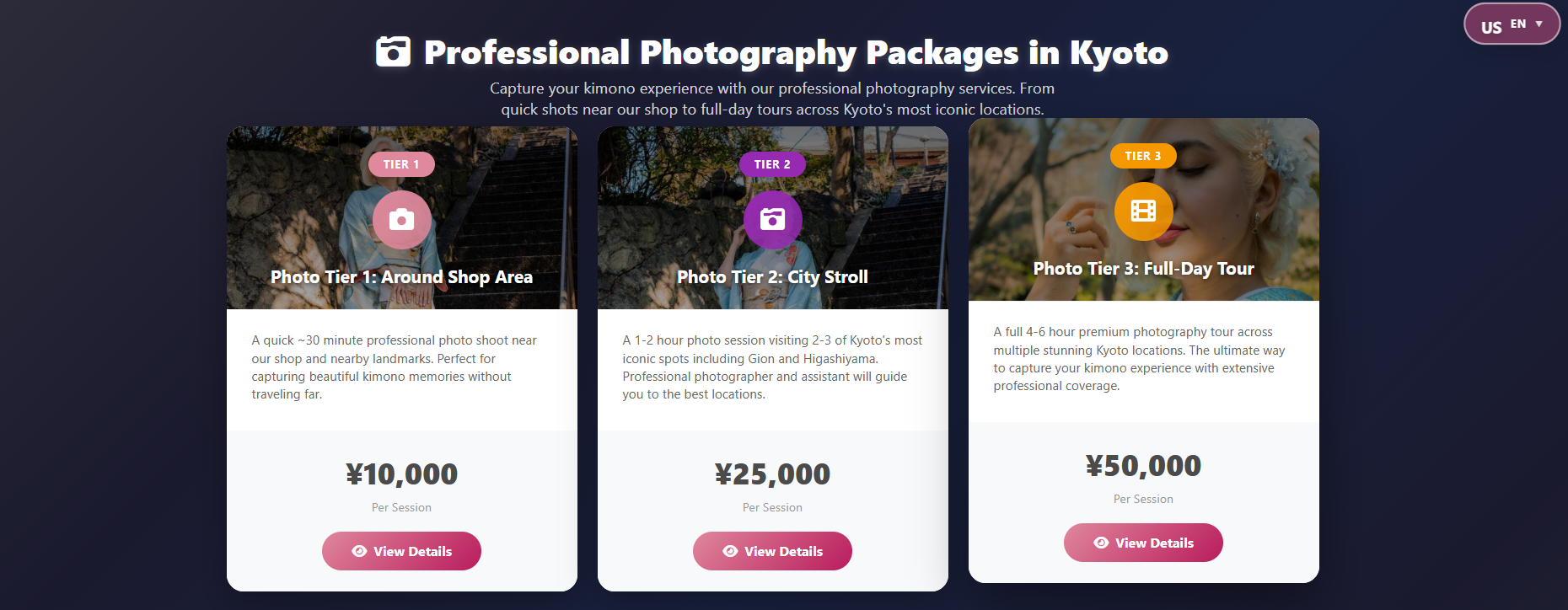
click here for best photography prices
Japan's autumn weather can be wonderfully mild, but it can also shift unexpectedly. Going in prepared for different conditions means your photo shoot can succeed no matter what the day brings.
Staying Comfortable in Changing Temperatures
Smart Layering Strategies
Morning temperatures typically sit between 10–15°C, warming to 18–22°C by afternoon:
- Kimono no Obebe offers haori (traditional jackets) that add warmth while keeping your kimono's beauty fully on display
- Appropriate undergarments are possible — rental shop staff can advise on what works best
- Hand warmers can be discreetly tucked away for use during breaks
- Plan for temperatures to drop if your shoot extends into the evening
The Convenience of In-Store Changing Facilities
At Kimono no Obebe, just a short walk from Shijo Station:
- Climate-controlled dressing rooms keep you comfortable throughout preparation
- Easy to return and change should conditions become too uncomfortable
- The central location minimizes time spent travelling in difficult weather
- Your regular clothes can be stored safely while you're out shooting
What to Do If It Rains
A light shower doesn't have to derail your photo shoot — in fact, it can produce atmospheric, one-of-a-kind images:
Creative Opportunities in the Rain
- Traditional Japanese wagasa umbrellas make for beautiful, eye-catching props
- Wet pavements mirror autumn colors in stunning reflections
- Misty conditions lend a soft, ethereal quality to temple and garden scenes
- Fewer visitors brave rainy weather, giving you better access to popular spots
Practical Wet-Weather Solutions
- Kimono no Obebe can arrange clear modern umbrellas that shield you without interrupting the visual flow of your photos
- Scout covered temple corridors and shrine walkways in advance as backup spots
- Many Kyoto temples feature roofed galleries perfect for rainy-day portraits
- Consider combining indoor and outdoor locations for variety
Backup Location Ideas
- Covered shopping arcades in historic neighborhoods
- Temple interiors (where photography is permitted)
- Traditional machiya townhouses
- Museum gardens with sheltered viewing areas
Dealing with Wind
Wind presents its own set of challenges for kimono photography: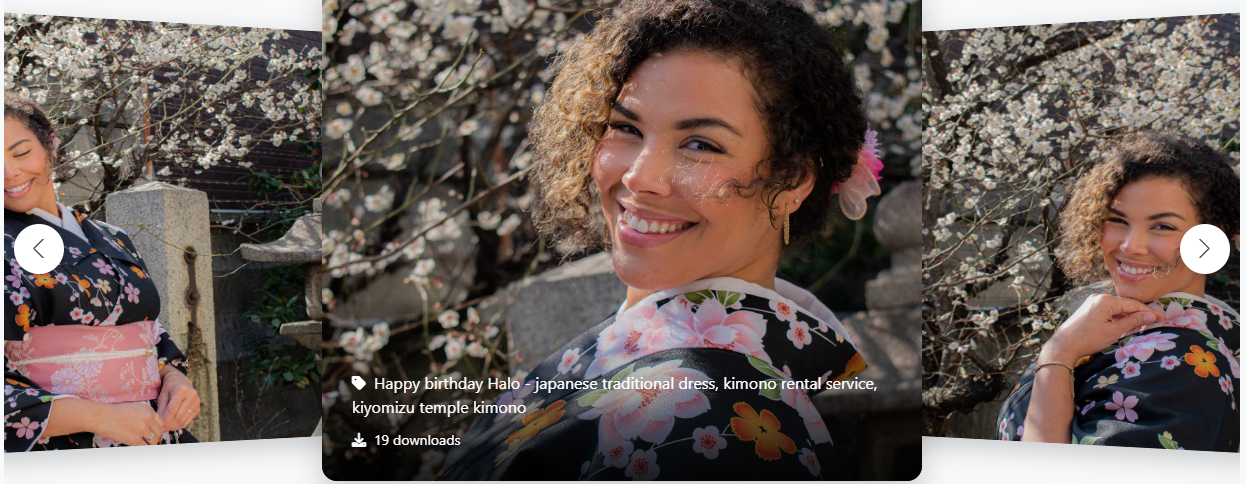
Wind-Related Challenges
- Kimono styling can be disrupted quickly by strong gusts
- Traditional hairstyles may loosen or shift
- Holding poses becomes more difficult
- Smaller accessories can blow away
Practical Wind Solutions
- Choose naturally sheltered settings — temple courtyards, bamboo groves, and enclosed urban gardens
- Work with your photographer for quick styling readjustments between shots
- Lean into the movement — wind can create beautifully dynamic fabric moments
- Carry extra hairpins for fast on-the-spot fixes
How Kimono no Obebe Helps
With photography packages starting at ¥10,000 for 30 minutes, their experienced team will:
- Style your kimono in a way that holds up well in light wind
- Offer quick touch-up assistance as needed during the shoot
- Recommend nearby wind-sheltered locations based on the day's conditions
- Supply accessories suited to managing breezy weather
Working with Sun and Cloud Cover
Bright, Sunny Days
Advantages:
- Vivid blue skies create striking contrast against red and orange autumn leaves
- Crisp, colorful images with excellent detail and clarity
- Pleasant, warm temperatures for a comfortable shoot
Challenges:
- Harsh midday shadows can be unflattering on faces and fabric
- Squinting in bright light is a common issue
- High contrast can wash out detail in darker kimono patterns
Solutions:
- Seek out dappled shade beneath tree canopies
- Position yourself with the sun behind or to one side
- Shoot during early morning or late afternoon when the sun sits lower in the sky
- Ask your photographer to use a reflector to soften harsh shadows
Overcast Days
Advantages:
- Soft, even lighting that flatters portrait subjects
- No sharp shadows to work around
- Colors appear vivid and richly saturated
- A comfortable shooting environment without glare
Challenges:
- Less dramatic backdrops compared to clear blue-sky days
- Can feel visually flat without thoughtful composition
- Temperatures tend to be a touch cooler
Location Scouting for Your Autumn Kimono Shoot
The locations you choose will have a major influence on both the quality of your photos and the overall experience.
Do Your Homework Before You Go
Online Resources for Foliage Tracking
- Japan-guide.com publishes weekly autumn color updates throughout the season
- Local tourism boards share current foliage conditions as they develop
- Social media hashtags provide real-time snapshots from other visitors on the ground
- Weather forecast sites can help you anticipate upcoming conditions
Pinpointing Peak Color at Your Chosen Locations
Each location reaches its peak at a slightly different time:
- Review historical peak timing data for your target spots
- Begin monitoring current-year foliage reports from early October onward
- Keep your schedule flexible where possible
- Identify backup dates within your travel window
Scout Locations in Advance If You Can
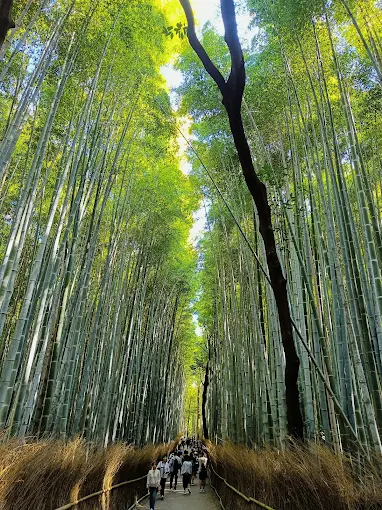
If your schedule permits, visiting your planned locations before the shoot day is invaluable:
What to Assess During a Scouting Visit
- Actual lighting conditions at your intended shooting time
- Typical crowd levels and movement patterns
- The best camera angles and compositions available
- Background elements that could distract from your subject
- Accessibility and walking distances between spots
Logistical Details to Note
- Parking availability and associated costs
- Public transport routes and timetables
- Restroom locations — this matters more than you might think when wearing a kimono
- Nearby food and drink options for breaks
- Mobile signal quality in the area
- Accessibility for elderly guests or those with limited mobility
Distance from Your Kimono Rental Shop
This planning detail is often overlooked but critically important:
The Realities of Walking in Kimono
Traditional footwear — zori or geta sandals — limits how far you can comfortably walk:
- Walks of 10–15 minutes are generally manageable
- Longer distances can lead to blisters or sore feet
- The kimono itself restricts your stride, making distances feel greater than they are
- Uneven or cobbled surfaces add an extra challenge
Kimono no Obebe's Location Advantage
Just steps from Shijo Station in central Kyoto:
- Gion's traditional streets are within comfortable walking distance
- Major temples like Kiyomizu-dera and Yasaka Shrine are a short taxi ride away
- Kyoto's extensive bus network is easily accessible from the shop
- Quick return trips for styling touch-ups are simple and stress-free
Getting Around on Shoot Day
- Pre-book taxis if you plan to visit locations farther from the city center
- Research bus routes and schedules ahead of time
- Factor in extra travel time when wearing kimono
- Consider hiring a photographer who can also handle transportation
Verify Photography Policies at Each Location

Not every stunning location allows photography without restrictions:
Common Photography Restrictions
- Tripods and professional gear are prohibited at some temples
- Interior photography is often not permitted
- Commercial shoots may require advance permits and fees
- Drone photography is generally banned at cultural and heritage sites
How to Check Before You Arrive
- Visit the official websites of temples and gardens you plan to use
- Email or call the venue directly if the policy is unclear
- Ask your kimono rental shop about known restrictions in the area
- Review recent visitor feedback online for the latest policy updates
What Kimono no Obebe's Photography Packages Include
When you book a photography session (from ¥10,000), you benefit from:
- A photographer who knows local photography rules and restrictions inside out
- Pre-planned routes that avoid restricted or problematic locations
- Expert knowledge of permit-free public spaces with beautiful seasonal backdrops
- Backup location suggestions ready in case your first choice falls through
Iconic Spots vs. Hidden Treasures
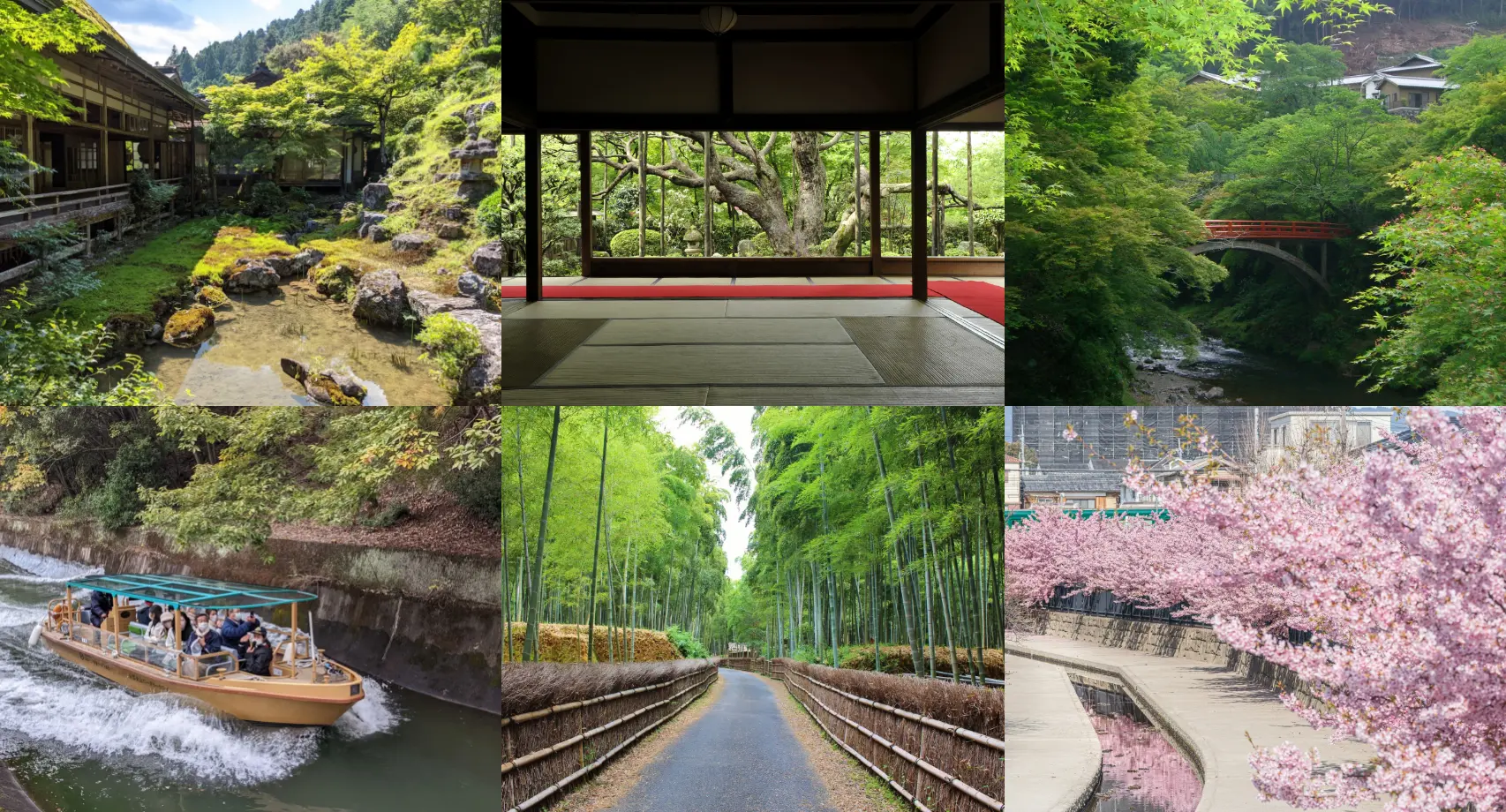
Finding the Right Mix of Locations
Well-Known Locations
Advantages:
- Guaranteed breathtaking scenery
- Well-kept grounds and clear pathways
- Good facilities on-site
- Instantly recognizable, iconic backdrops
Disadvantages:
- Heavy visitor numbers, especially at peak times
- Getting clean shots without other tourists in the frame is challenging
- May require tickets or advance reservations
- The environment can feel crowded and rushed
Off-the-Beaten-Path Spots
Advantages:
- Peaceful, uncrowded setting with room to breathe
- More time and creative freedom to experiment with compositions
- An authentic, undiscovered quality that photos rarely capture elsewhere
- Often free or very low-cost to access
Disadvantages:
- Require more research to locate in the first place
- Foliage quality can vary year to year
- Facilities may be limited or less well-maintained
- Can be harder to reach by public transport
The Ideal Approach
Aim for 2–3 locations that blend both types:
- One famous landmark (visited early morning to beat the crowds)
- One local neighborhood shrine or garden
- One flexible backup option you can pivot to if needed
Leveraging Kimono no Obebe's Multilingual Support

A Key Planning Advantage: English-Speaking Staff
One of the most distinctive features of Kimono no Obebe is their commitment to multilingual service:
Benefits of Language Support
- Clear, confident communication about location choices and logistics
- A shared understanding of your photography goals and creative vision
- Expert explanations of kimono details and styling nuances
- Help coordinating with Japanese-speaking vendors or transport providers
- Assistance with directions and navigation throughout your shoot day
What Their Team Can Help You Plan
When you make your booking, their English-speaking staff can:
- Suggest locations based on the latest foliage reports
- Advise on the best timing to sidestep crowds
- Coordinate photographer availability and scheduling
- Provide maps and detailed transport instructions
- Share local insider knowledge about lesser-known spots worth visiting
Photography Package Options
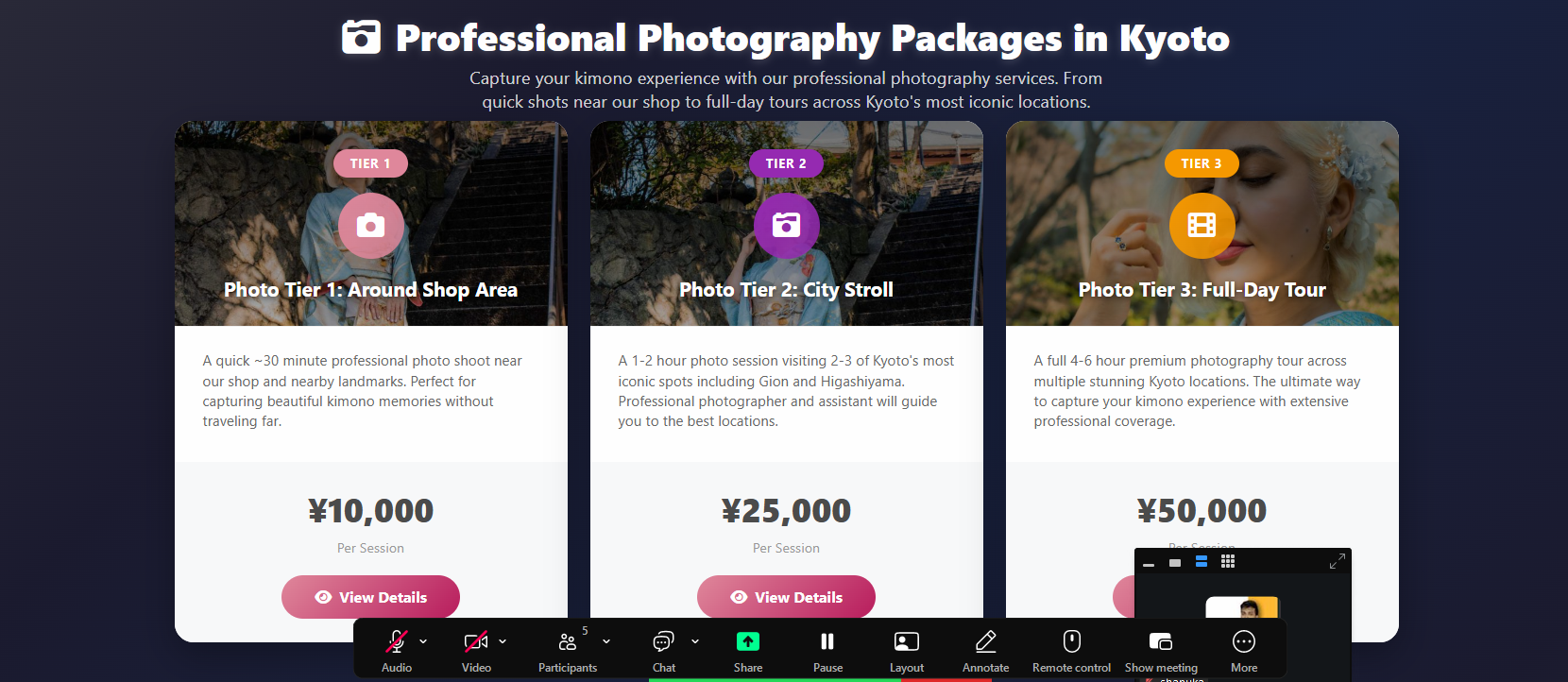
30-Minute Session (¥10,000)
A great fit for:
- First-time visitors who want professional-quality keepsakes
- Those with limited time in Kyoto
- Travelers unsure about committing to a longer shoot
- Budget-conscious visitors seeking the best value
What's included:
- Professional photographer
- Kimono rental and dressing assistance
- Hair styling
- Photos taken around the shop and nearby locations
- Edited digital images delivered after the shoot
4-Hour Package (¥25,000)
Ideal for:
- Visitors wanting a variety of backgrounds and settings
- Those planning to visit 2–3 different locations
- Anyone who prefers a relaxed, unhurried shooting pace
- Those wanting a larger collection of photos
What's included:
- Extended time with your photographer
- Full kimono rental and complete styling
- Travel to multiple nearby locations
- A generous selection of edited images
- Time for styling adjustments between locations
Full-Day Experience (¥50,000)
The premium choice for:
- Special occasions such as anniversaries or marriage proposals
- Comprehensive photographic coverage across Kyoto
- Maximum variety in both shots and settings
- Sunrise-to-sunset photography
What's included:
- An all-day photographer by your side
- Complete kimono rental and styling
- Visits to multiple locations of your choice
- An extensive edited photo collection
- Full flexibility for spontaneous, unplanned moments
Building Your Shoot Day Schedule
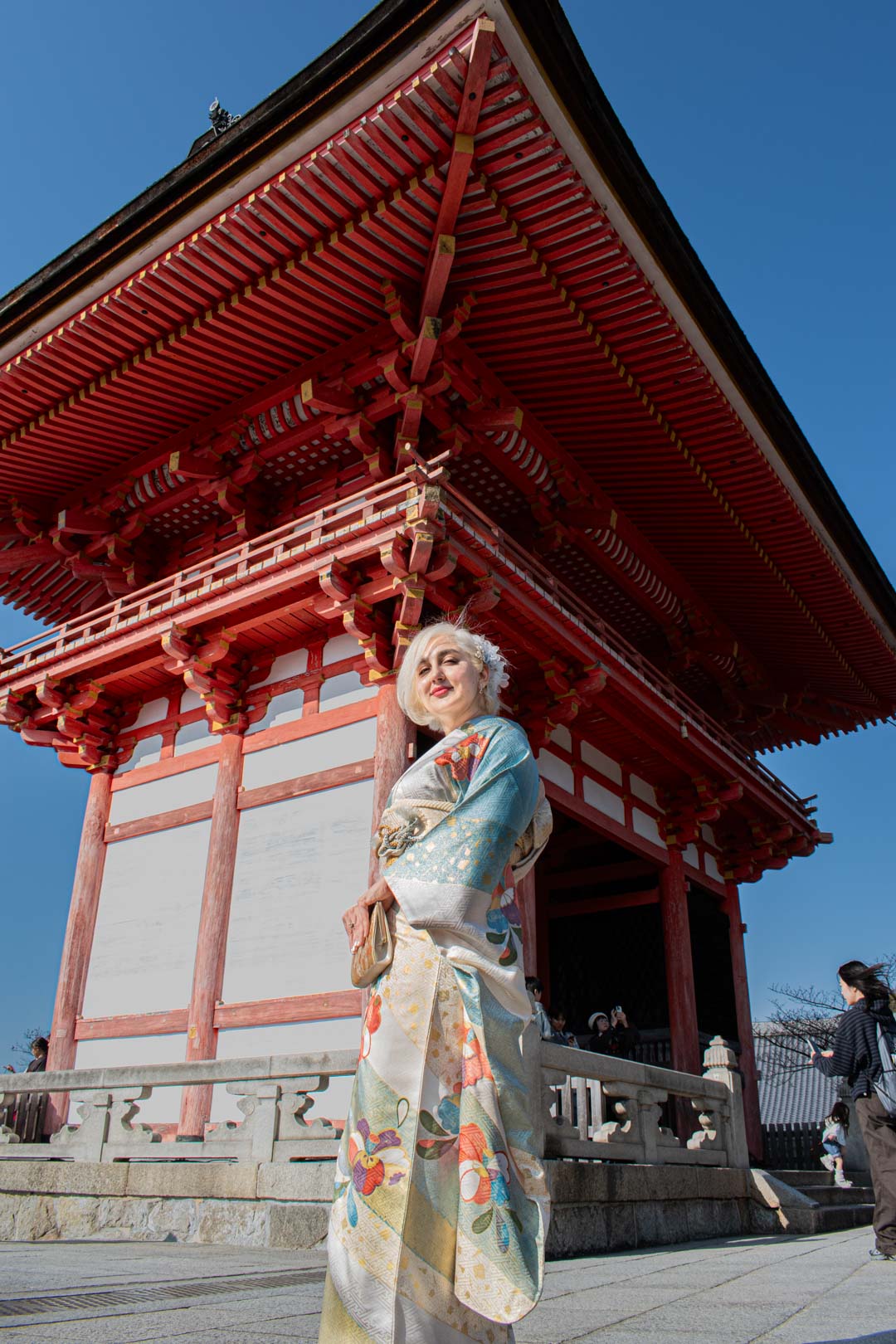
Sample Half-Day Itinerary (4-Hour Package)
8:00 AM — Arrive at Kimono no Obebe
- Select your kimono and get dressed
- Hair styling session
- Final preparations before heading out
9:30 AM — First Location: Yasaka Shrine
- A 10-minute walk from the shop
- Enjoy the peaceful morning atmosphere
- Traditional torii gates and garden backgrounds
- 45 minutes of photography
10:30 AM — Second Location: Maruyama Park
- Directly adjacent to Yasaka Shrine
- Autumn foliage and tranquil pond scenery
- A more relaxed, natural setting
- 45 minutes of photography
11:30 AM — Third Location: Gion District Streets
- Classic machiya townhouse architecture
- The quintessential Kyoto streetscape
- Walking shots and candid, in-motion moments
- 30 minutes of photography
12:30 PM — Return to Shop
- Change back into your regular clothes
- Browse and select your favorite shots
- Wrap up and farewell
Sample Full-Day Itinerary (8-Hour Package)
7:00 AM — Early Start at Kimono no Obebe
- Get ahead of the crowds with a sunrise slot
- Full preparation and styling
8:00 AM — Kiyomizu-dera Temple
- Take a taxi to the temple area
- Capture morning light falling across autumn foliage
- Iconic wooden viewing terrace backdrops
- 90 minutes of photography
10:00 AM — Ninenzaka and Sannenzaka Streets
- Historic stone-paved pathways
- Traditional wooden architecture lining the route
- A lively, atmospheric shopping street setting
- 60 minutes of walking and shooting
11:30 AM — Lunch Break
- Rest and refuel
- Styling touch-ups if needed
1:00 PM — Arashiyama Area
- Taxi out to western Kyoto
- Photography in the famous bamboo grove
- Togetsukyo Bridge and riverside scenery
- 90 minutes of coverage
3:00 PM — Tenryu-ji Temple Garden
- Classic Japanese garden compositions
- Typically at peak autumn color during this window
- 60 minutes of photography
4:30 PM — Heading Back
- Golden hour shots along the return journey
- Final portraits near the shop if desired
5:30 PM — Wrap-Up
- Change and close out the session
Your Complete Planning Checklist
3–4 Weeks Before Your Shoot
- Research autumn foliage peak timing predictions for your target region
- Book your kimono rental at Kimono no Obebe
- Choose your photography package (30-minute, 4-hour, or full-day)
- Reserve accommodation near Shijo Station if you're traveling to Kyoto
- Research and shortlist 4–5 potential shooting locations
1–2 Weeks Before
- Review current foliage reports and refine your location list accordingly
- Confirm all reservations and appointments
- Share photography inspiration and style references with the Kimono no Obebe team
- Map out your transport routes to each planned location
- Check weather forecasts and prepare contingency plans
2–3 Days Before
- Check the latest foliage updates to finalize your location choices
- Keep a close eye on the detailed weather forecast
- Confirm the meeting time and exact location with your photographer
- Set out comfortable walking shoes for transit between spots
- Fully charge all devices and prepare portable power banks
The Day Before
- Get a good night's sleep (early start times require it)
- Pack your essentials bag
- Double-check location addresses and routes
- Set multiple alarms if you have an early shoot slot
- Finalize your kimono color and style preferences
On the Day of Your Shoot
- Arrive on time at Kimono no Obebe
- Share any last-minute preferences or changes with the team
- Relax, enjoy the experience, and trust your photographer's eye
- Stay hydrated throughout the day
- Pause to take in the moments, not just the photographs
Why Kimono no Obebe Is the Ideal Partner for Your Autumn Shoot
What Makes Them Stand Out
1. Unbeatable Value for Money
- The most competitive pricing in Kyoto across all seasons
- Photography sessions available from just ¥10,000
- All-inclusive packages with no hidden charges
- Exceptional value compared to booking rental and photography separately
2. An Unmatched Central Location
- Just steps from Shijo Station — one of Kyoto's busiest transit hubs
- Walking distance to Gion and the city's most historic neighborhoods
- Quick access to all the major autumn foliage destinations
- Convenient for travelers arriving with luggage
3. Expert Professional Services
- Skilled kimono dressing specialists on hand
- Professional hair styling included with every package
- Makeup services available upon request
- High-quality, well-maintained garments throughout
4. Full Multilingual Support
- English-speaking staff take the stress out of communication
- Clear, thorough explanations of all options and processes
- Personalized location advice and planning assistance
- Help coordinating your wider Kyoto itinerary if needed
5. Skilled Photography Team
- Photographers with deep experience in kimono styling shoots
- Insider knowledge of Kyoto's top autumn photography spots
- A strong understanding of light, timing, and composition
- An efficient, streamlined workflow that maximizes your shooting time
6. Flexible, Adaptable Options
- Multiple package lengths to suit any schedule or budget
- Bring-your-own-kimono arrangements available
- Rental extensions possible if the shoot runs long
- Special requests are warmly accommodated
Final Thoughts
The secret to a truly unforgettable autumn kimono photo shoot isn't just the moment itself — it's the thoughtful planning that leads up to it. By understanding when and where to shoot, preparing for whatever weather comes your way, and partnering with a team like Kimono no Obebe that takes care of the logistics and delivers genuine value, you set yourself up for an experience that exceeds expectations.
The best images come when you're relaxed, present, and free from worry. Handle the planning in advance, and when the day arrives — dressed in a beautiful kimono, surrounded by Kyoto's autumn splendor — all you'll need to do is enjoy every single moment of it.
Ready to book your autumn kimono photo shoot?
Head to Kimono no Obebe to explore their rental options and photography packages, or browse their Instagram for stunning autumn shoot inspiration from past guests.
Get in Touch with Kimono no Obebe:
- Website: kimononoobebe.love
- Plans & Pricing: View All Plans
- Guest Photos: See Our Guests
- Contact: Contact Us
- About: About Kimono no Obebe
- Instagram: @kyoto_kimonorental_noobebe
Photography Package Comparison at a Glance
| Package Type | Duration | Price | Best For |
|---|---|---|---|
| Quick Session | 30 minutes | ¥10,000 | First-time visitors, limited time, budget-conscious |
| Half-Day Experience | 4 hours | ¥25,000 | Multiple locations, varied shots, relaxed pace |
| Full-Day Premium | 8+ hours | ¥50,000 | Special occasions, comprehensive coverage, maximum variety |
Your autumn kimono photographs will become cherished mementos of a season when you wandered through Japan's most magnificent landscapes, wrapped in centuries of living tradition, leaving beauty in every frame.
Ready to Stay With Us?
Experience the warmth of Goettingen Guest House in the heart of Kyoto.
Book Now